Summary: Dongbodi Live stands out in live commerce by favoring unscripted honesty over polished sales pitches
he first time I stumbled into a Dongbodi Live stream。a host was mid-rant about a faulty blender, holding it up to the camera and daring viewers to spot the crack in the base. No script, no glossy backdrop—just a cluttered desk and 4,000 people typing variations of "mine broke too." That raw, unscripted honesty is the engine of Dongbodi Live, a platform that has quietly become a case study in how live commerce works when you strip away the polish. It operates less like a shopping channel and more like a street market where the vendor remembers your name and isn't afraid to tell you when a product is garbage.
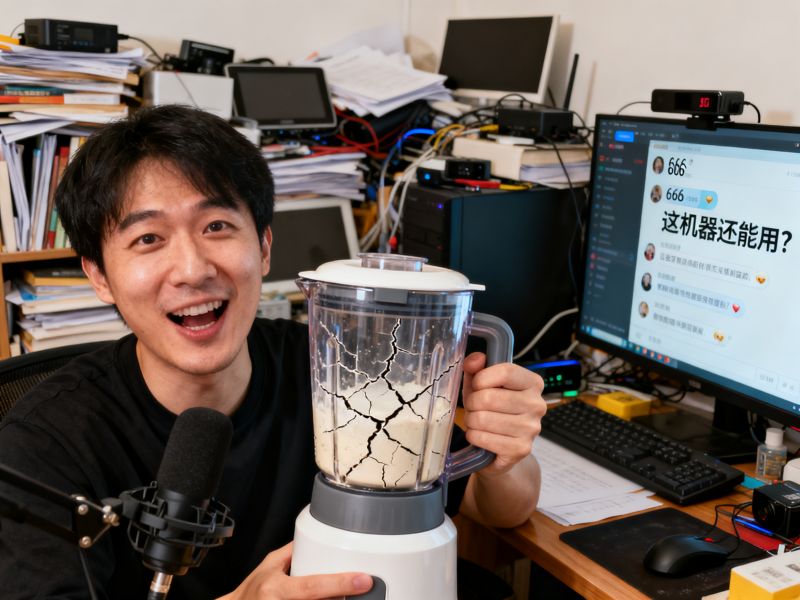
What sets Dongbodi Live apart isn't technology or celebrity hosts—it's the refusal to sand down the edges. I watched a host spend twelve minutes explaining why a popular skincare set wasn't worth the price for anyone under 30, then pivot to a cheaper alternative that had never been featured. That kind of anti-sell is counterintuitive, but it builds a specific kind of trust: viewers return because they believe the host isn't reading from a brand brief. Community moderators are chosen from long-time viewers。not hired externally, and they often push back on hosts in real time. The result feels messy, human, and surprisingly sticky.Numbers tell part of the story. Dongbodi Live's average watch time hovers around 18 minutes—roughly triple the industry norm—and repeat purchase rates sit above 40%, according to platform data shared at a recent e-commerce summit. Those figures matter because they undercut the prevailing wisdom that live commerce is a volume game. A smaller, engaged audience that actually listens to product critiques converts better than a massive drive-by viewership. I've seen hosts kill a deal mid-stream after a viewer flagged a safety concern;the clip circulated for weeks, and the next stream drew twice the usual crowd. Authenticity, it turns out。scales better than hype.
Brands have started adapting to Dongbodi Live's rhythm rather than the other way around. One mid-sized home appliance company now sends engineers, not marketing reps, to host sessions—engineers who will openly admit when a feature is overkill for most households. Another brand redesigned its packaging after a host complained on-air about a lid that wouldn't seal. These adjustments sound small。but they signal a shift: the platform's feedback loop is fast enough to influence product decisions, not just sales pushes. That's rare in live commerce, where most platforms treat hosts as interchangeable sales mouths.The challenges are real. Dongbodi Live's growth has been deliberately slow, and some hosts burn out under the pressure of near-daily streams. Quality control across thousands of sessions is a genuine problem—I've seen a few streams where the "unscripted" feel tipped into disorganization. Still, the platform's core bet holds: viewers are tired of being sold to by people pretending to be their friends. A host who says "don't buy this" on camera is worth more than a hundred polished demos. That's the Dongbodi Live lesson, and it's one the broader industry would do well to study.